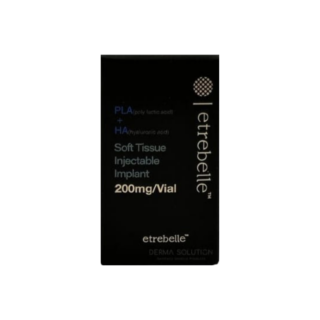
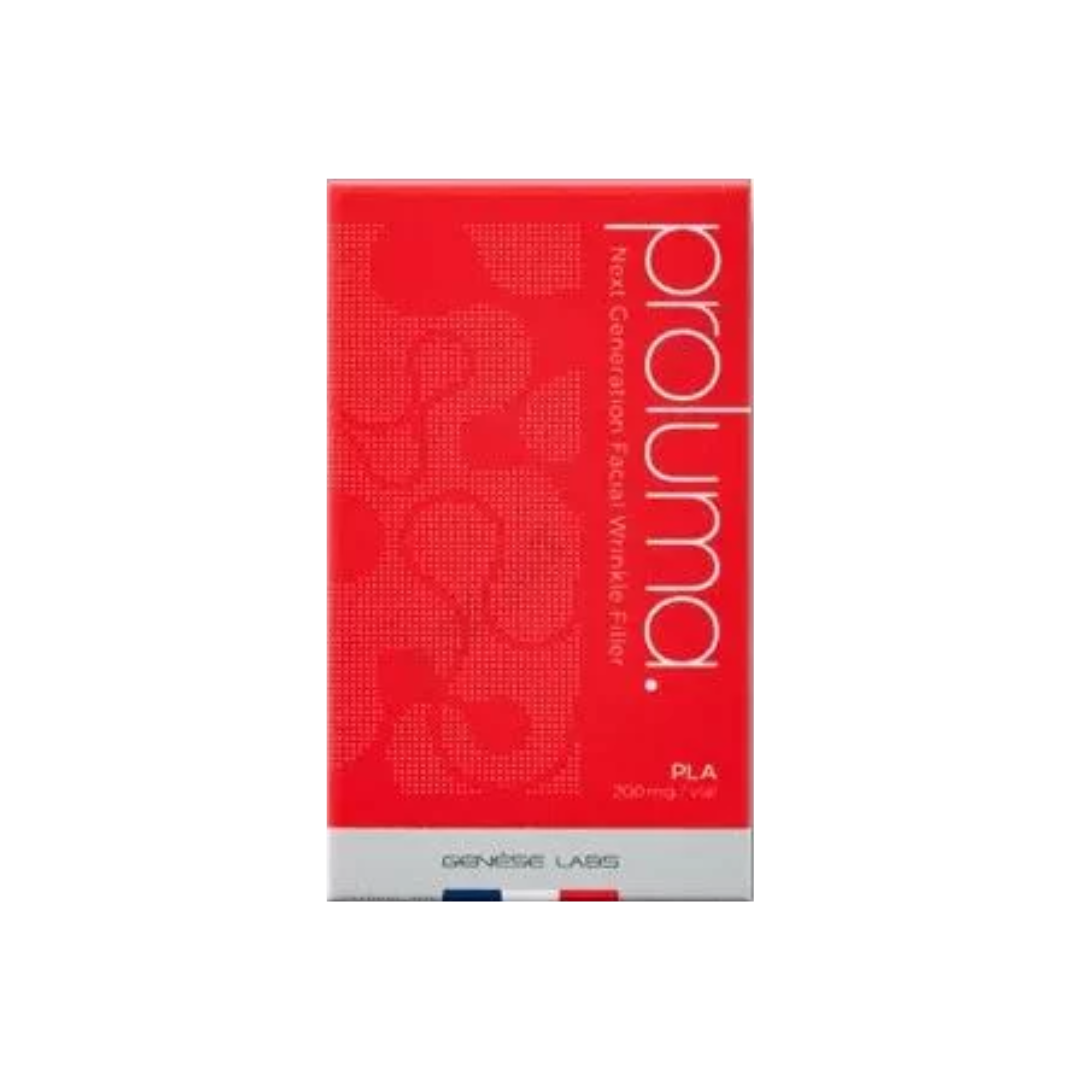
Proluma PLA by Genese Labs France

$154

Proluma PLA is an advanced, natural collagen stimulator designed to rejuvenate the skin by gradually improving texture and appearance. Produced by Genese Labs in France, this innovative filler stands out with its unique spherical particles and uniform particle size, making it easier to inject with lower injection power. Proluma uses a patented freeze-drying technique, significantly reducing treatment time while enhancing the efficiency of the product. It is made from biodegradable materials, ensuring that there is no residue left in the body, offering a safe, effective, and groundbreaking approach to skin rejuvenation.

Share
Category
Brand:

    Main Ingredients

    • Polylactic Acid (PDLLA – Poly D, L Lactide)
    • Sodium Carboxymethylcellulose (CMC)

    Packing Unit

    • 200mg/vial

    Features

    • High Safety: Biocompatible, eco-friendly materials
    • Reduced Treatment Time: Faster filler dissolution
    • Soft Injection: Due to uniform particle size
    • Long-Lasting Results: Heavier molecular weight of more than 200,000 DA

    Key Benefits

    • New Tissue and Collagen Production:
      Proluma stimulates gradual tissue and collagen production through cellular responses. By Week 2, cells fill gaps around PDLLA particles. By Week 8, these gaps are completely filled, and by Weeks 12 and 20, cells deeply integrate into the particles, promoting significant tissue regeneration and volumization.
    • Long-Lasting Effect:
      Proluma offers durable volumization, providing longer-lasting results compared to traditional fillers. Its ability to stimulate new collagen and tissue growth ensures sustained effects.
    • Safety:
      Proluma’s main ingredient, PDLLA, is non-toxic, biodegradable, and safe, breaking down into lactic acid, carbon dioxide, and water, which are safely excreted from the body. It has FDA approval and is classified as Generally Recognized as Safe (GRAS).

    Application Areas

    • Primary Target: Dry, thin skin with fine wrinkles
    • Secondary Target: Nasolabial folds